
FAQ
In seawater applications, standard stainless steel valves often suffer from corrosion and leaks. Can bronze valves really solve this problem?
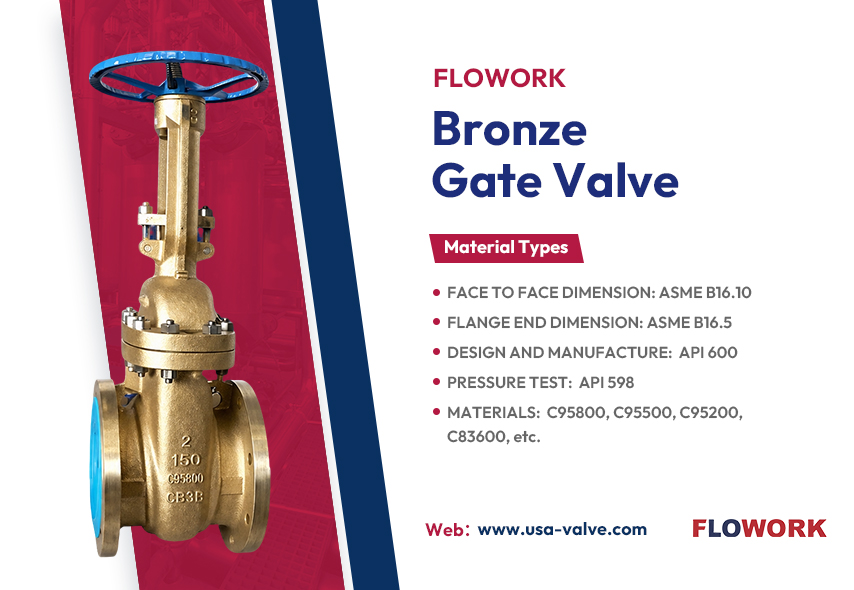
We use C95800 nickel-aluminum bronze, which is inherently resistant to chloride ion pitting and marine biofouling. It does not perforate even after long-term operation in seawater, and its service life is more than three times that of standard stainless steel valves.
There are many requirements from different classification societies and project standards. Can you provide the necessary compliance certifications?
Our entire product line complies with API, DIN, and ASTM standards and supports certifications from major classification societies such as CCS and ABS. Each unit comes with a complete material certificate and factory test report, ensuring direct approval.
Our existing piping uses non-standard flanges or special nominal diameters. Can you quickly customize a compatible solution?
We support structural customization for all valve types, including gate valves, globe valves, and check valves. Flange standards include API, ANSI, and JIS. Standard custom orders can be delivered within 7 days without requiring modifications to your existing piping.
For seawater systems with different pressure ranges, how can I select the appropriate bronze valves without wasting money?
We cover the full pressure range from 150 LB to 1500 LB. We can precisely match the appropriate grade based on actual operating conditions, so there’s no need to blindly select higher-spec models—helping you optimize your procurement costs.
Is maintenance of bronze valves troublesome, and are spare parts easy to source?
The entire series features a universal, easy-to-disassemble design with a high degree of spare part standardization. A maintenance manual is included with each unit, and under normal operating conditions, the annual maintenance frequency is 70% lower than that of standard valves.