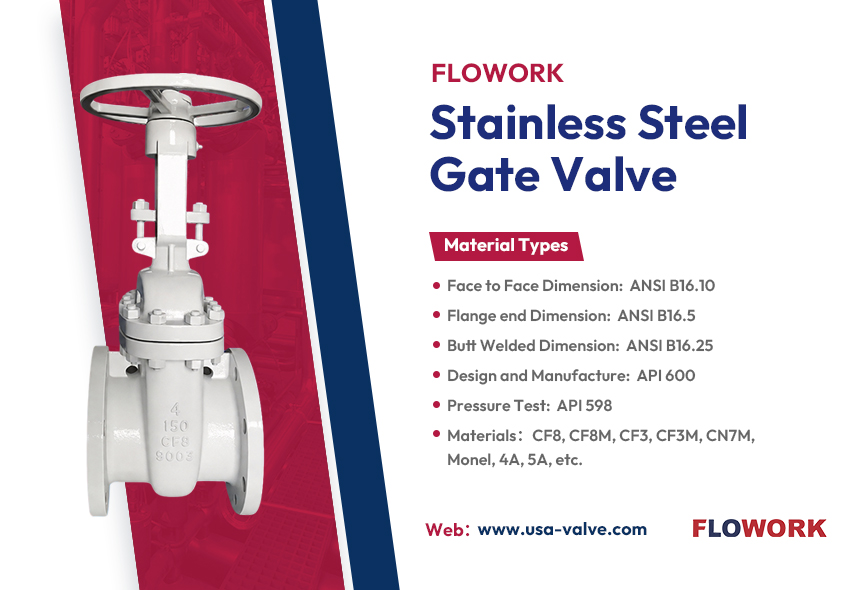
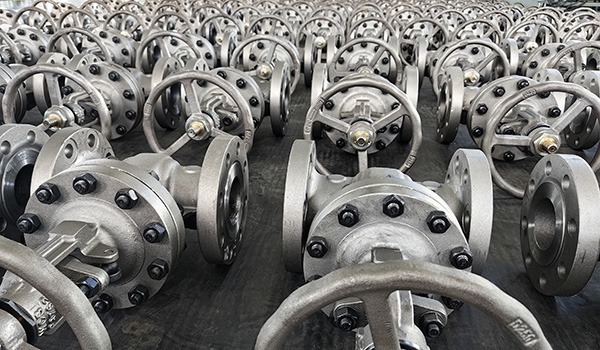
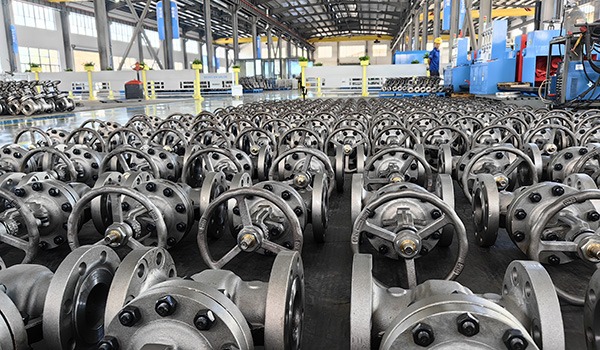
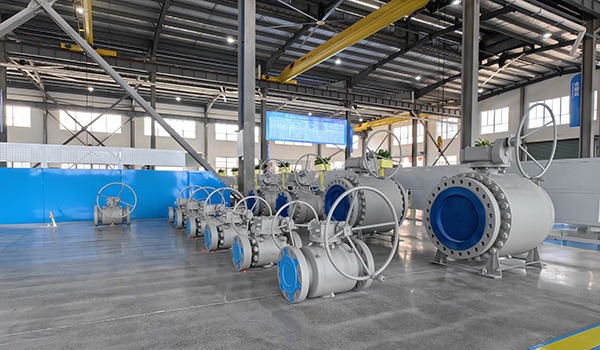
1. Wedge-Type Self-Tightening Seal Structure
Featuring a rigid/elastic wedge-type gate plate designed with an optimized angle, the valve achieves a self-tightening seal during closure through the combined force of the stem thrust and medium pressure. It maintains zero leakage even under low-pressure-differential conditions, eliminating the risk of medium leakage at its source and significantly enhancing pipeline operational safety; The elastic gate automatically compensates for thermal expansion and manufacturing tolerances. Long-term use prevents issues such as sealing surface sticking or uneven wear, directly extending the valve’s overall service life by more than 30% and reducing the frequency of routine seal replacements.
2. Full-Bore, Turbulence-Free Flow Path Design
When the valve is fully open, the internal flow path aligns perfectly with the pipeline, with no protrusions or constrictions, resulting in virtually zero flow resistance. This design supports the loss-free conveyance of high-flow media and allows pipeline cleaners to pass through smoothly, preventing the accumulation and jamming of impurities within the valve cavity; At the same time, the medium does not directly impact the sealing surfaces at high speeds, significantly reducing erosion wear on the sealing surfaces and minimizing unplanned shutdowns for maintenance caused by flow path blockages or seal failure. Long-term operating and maintenance costs can be reduced by 40%.
3.Tiered Valve Body Forming Process
Conventional nominal diameters are produced using precision casting in a single piece, while high-pressure, small-diameter valves employ an integral forging process. Strict adherence to API and ANSI standards ensures pressure-bearing stress optimization, resulting in a valve body free of porosity and weak stress points. This enables stable operation across a wide range of operating conditions, from low to high temperatures, and eliminates the safety hazard of valve body cracking under extreme pressure; Combined with a dual-seal packing of flexible graphite and stainless steel, the valve stem area is leak-free, and frequent packing re-tightening is unnecessary throughout the entire lifecycle, further reducing on-site operation and maintenance workload.
4. Modular, Serviceable Design
The valve stem features a blowout-proof safety design; even under abnormal high-pressure conditions within the chamber, the valve stem will not be forced out or dislodged by the medium, structurally preventing safety incidents in high-risk operating conditions. All wear parts use standardized modular specifications, allowing for in-service replacement of packing and seal rings without disassembling the entire valve, significantly reducing emergency repair time and minimizing additional losses caused by pipeline shutdow
 Skip to content