Skip to content


FAQ
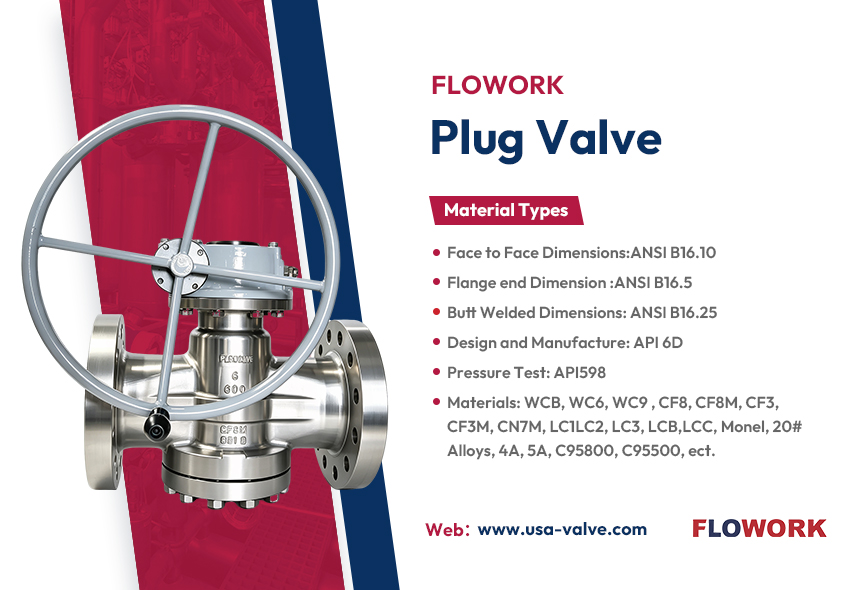
Does this plug valve comply with the API 6D standard?
The basic design of the entire product line strictly adheres to the API 6D specification and is fully compatible with BS 5353 requirements. We can provide corresponding certificates of compliance to meet the procurement requirements of various industrial projects.
What are the key differences between plug valves and ball valves?
Plug valves feature a smoother flow path with no dead zones, making them more suitable for high-viscosity and crystallization-prone media. Their 90° opening and closing action provides smoother torque, and they are less prone to jamming or failure during long-term transfer of viscous media.
Do lubrication-free plug valves require periodic grease maintenance?
Lubrication-free plug valves utilize self-lubricating sealing materials. They do not require the injection of sealing grease during operation, eliminating the risk of grease contaminating the medium and making them suitable for clean medium applications.
How effective is the heat tracing performance of jacketed insulated plug valves?
The full-body jacketed structure ensures that the heat tracing medium completely covers the flow path, effectively preventing crystallization and blockages caused by high-viscosity, crystallizable media inside the valve.
Can multi-port plug valves switch flow directions?
Three-way and four-way configurations allow for direct merging, splitting, and bidirectional switching of the medium, eliminating the need to install additional valves and reducing the number of pipe joints and potential leak points.