
Before an API 6D ball valve is installed in a pipeline, it must pass a defined set of factory tests. These tests confirm the valve can hold pressure, seal at the seats, and operate under design conditions. Buyers and inspectors who understand the required tests can avoid accepting non-compliant valves, and they usually ask the same three questions first: how the ball valve internals arrive packed, whether the cavity is filled, and how the valve ball itself is keyed to the stem.
Does an API 6D Ball Valve Need to Be Tested Before Installation?
Yes. API 6D requires factory testing on every valve before shipment. Some owners also require site retesting after storage or before final commissioning. The factory tests verify structural integrity and seat sealing, while site tests confirm no damage occurred during transport and storage.
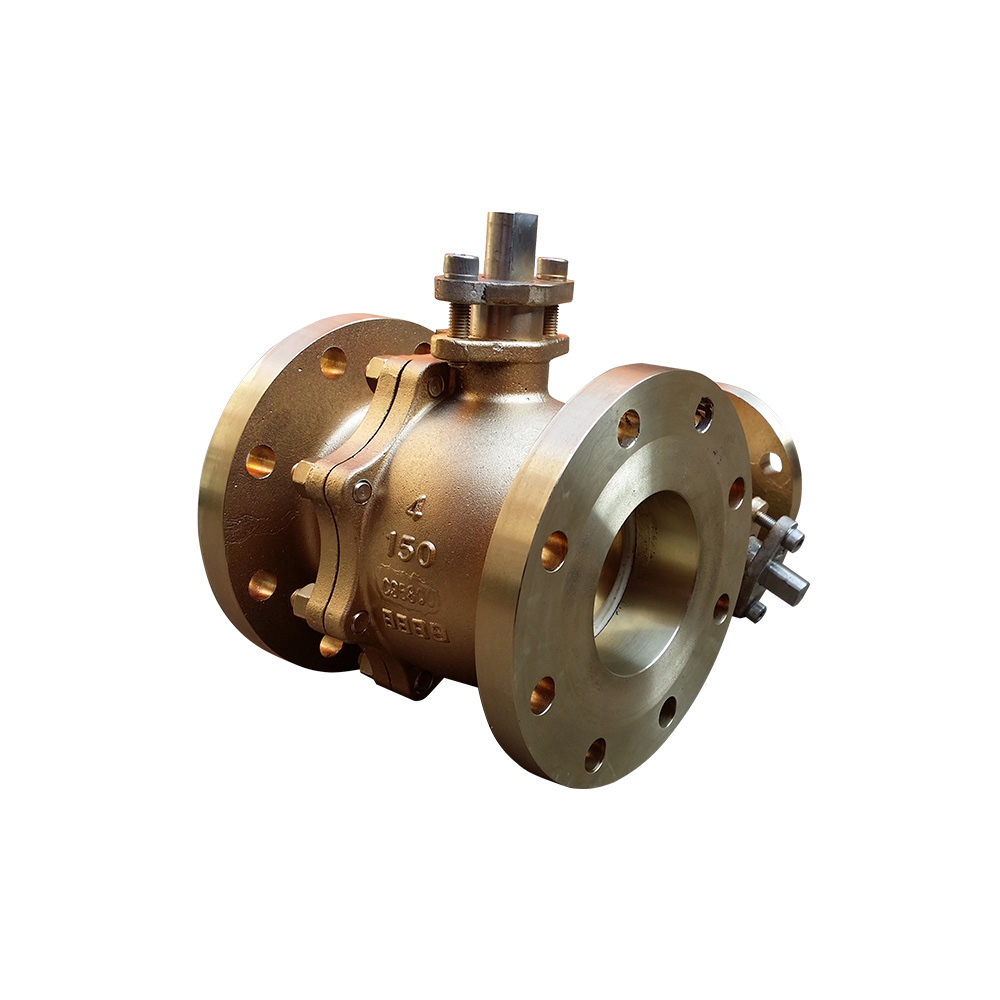
Need API 6D Ball Valves with Full Test Documentation?
Flowork VALVE provides hydrostatic shell and seat test reports, material certificates, and optional fire-safe and fugitive-emission test reports with every API 6D order.
What Tests Are Required for API 6D Ball Valves?
Hydrostatic Shell Test
The hydrostatic shell test pressurizes the valve body with water at 1.5 times the rated pressure for at least the duration specified in API 6D. The test verifies that the body, bonnet, and end connections have no leakage or permanent deformation.
Hydrostatic Seat Test
The hydrostatic seat test pressurizes the valve cavity and checks both upstream and downstream seats for leakage. The test pressure is typically 1.1 times the rated pressure. The valve must show no visible leakage past the seat seals.
Cavity Filled Ball Valves and Cavity Verification
Some units ship as cavity filled ball valves, where the body cavity around the seats is deliberately packed with grease or a compliant secondary barrier so that any leak is directed to a drain or vent rather than released to atmosphere. The test programme has to prove two things: that the fill survives thermal cycling, and that the cavity can still be relieved before the ball is cycled.
Stem Backseat Test
For valves with backseat geometry, the stem backseat test verifies that the stem seal is leak-tight when the valve is fully open. This is important for maintenance where the packing may be replaced while the line is pressurized.
Torque and Thrust Functional Test
The valve is cycled open and closed to confirm that operating torque or thrust is within specification. This test is especially important for actuated valves because it verifies actuator sizing.
Low-Pressure Gas Seat Test — When Specified
When the purchaser specifies, API 6D allows a low-pressure gas seat test using air or nitrogen at a specified pressure. This test is more sensitive than hydrostatic testing and is often required for gas pipeline service.
DBB/DIB Testing — When Applicable
Double block and bleed (DBB) or double isolation and bleed (DIB) valves must demonstrate that each seat seals independently and that the body cavity can be vented. This testing is required for positive isolation applications.
Additional Tests and Certifications for API 6D Ball Valves
Fire-Safe Testing: API 6FA vs API 607
Fire-safe testing evaluates valve performance during and after an external fire. For a ball valve rubber seat that means the soft sealing layer is expected to burn away, and the test then verifies whether the metal seat behind it still holds line pressure. API 6FA is the fire test standard for pipeline valves, while API 607 covers quarter-turn valves in general. For API 6D ball valves in hydrocarbon service, API 6FA is usually specified.
Fugitive Emission Testing: ISO 15848-1 vs ISO 15848-2
Fugitive emission testing measures leakage from stem seals and body joints to the atmosphere. ISO 15848-1 defines type testing, and ISO 15848-2 defines production testing. These tests are increasingly required for environmental compliance.
Anti-Static Testing
Anti-static devices ensure electrical continuity between the valve ball, stem, and body. A simple ohmmeter test confirms resistance is below the maximum allowed by API 6D. This prevents static discharge in flammable service, and it is the one check that treats the valve ball as a live component rather than an inert spacer.
High-Pressure Gas Testing — When Applicable
Some projects require high-pressure gas testing to simulate natural gas operating conditions. This test is more stringent than hydrostatic testing and must be performed under controlled conditions.
NDE and Other Project-Specific Tests
Non-destructive examination may include radiographic, ultrasonic, magnetic particle, or liquid penetrant inspection of castings, forgings, and welds. Other project-specific tests can include cryogenic testing, low-temperature impact testing, and hardness testing.
FAQs
What is the difference between a shell test and a seat test?
The shell test checks the pressure boundary of the valve body. The seat test checks the sealing performance of the ball-to-seat interface. Both are required by API 6D.
Is fire-safe testing mandatory for every API 6D ball valve?
No. Fire-safe testing is only mandatory when the purchaser specifies it, usually for hydrocarbon or high-risk services. The standard API 6D hydrostatic tests are always required.
Does every API 6D ball valve need a hydrostatic seat test?
Yes. API 6D requires a hydrostatic seat test on every valve unless otherwise agreed between purchaser and manufacturer.
Does an API 6D ball valve need a gas seat test?
A gas seat test is required only when specified by the purchaser. Many gas pipeline specifications require it as an additional assurance beyond hydrostatic testing.
How long does API 6D valve testing typically take?
Standard hydrostatic shell and seat tests usually take a few hours per valve. Additional tests such as fire-safe, fugitive emission, or gas testing can add one to several days depending on valve size and queue.
Does an API 6D ball valve need to be retested before installation?
Factory testing is required. Some owners also require pre-installation testing after long storage or if the valve may have been damaged during shipment. This is usually specified in the project quality plan.
What documents should accompany a tested API 6D ball valve?
At a minimum, the handover package should include a material certificate, hydrostatic test certificate, seat test certificate, calibration records for test equipment, and a certificate of compliance. Optional fire-safe, fugitive emission, and gas test reports should also be included if specified.
What is the difference between API 6D and API 598?
API 6D is the pipeline valve specification. API 598 is a general valve inspection and test standard. API 6D already incorporates test requirements, so valves tested to API 6D do not need additional API 598 testing unless the purchaser specifies it.
Conclusion
API 6D ball valves require a rigorous test program before installation. The required tests verify structural integrity, seat sealing, and operational performance. Optional tests for fire safety, fugitive emissions, and gas sealing add assurance for demanding services. Always review the test reports before accepting valves on site.
Order API 6D Ball Valves with Full Testing & Documentation
Flowork VALVE tests every API 6D ball valve to the standard and can add fire-safe, fugitive-emission, and gas-seat tests on request. Contact us for a quote with full documentation.
