 Skip to content
Customized Corrosion-Resistant Sealing Solutions for Valves Handling Special Media in the Oil, Gas, and Chemical Industries Customized Corrosion-Resistant Sealing Solutions for Valves Handling Special Media in the Oil, Gas, and Chemical Industries
I. Background of the Solution
In industries such as petrochemicals and natural gas extraction and processing, valves—as core equipment for fluid control—often face complex and demanding operating conditions. Examples include ethane transportation, the handling of acidic media (sulfur-containing or hydrocarbon-containing acids), flare systems (high-pressure/low-pressure flares, flare gas (CGas)), closed drainage, low-pressure fuel gas transportation, hazardous substance control, and gas injection and venting. In these scenarios, the media exhibit characteristics such as strong corrosiveness, flammability and explosiveness, and significant fluctuations in high and low pressure. Conventional valves are prone to issues such as corrosion-induced leakage, seal failure, and short service life, posing serious threats to production safety and efficiency. Therefore, developing customized valve solutions tailored to these specific operating conditions is of paramount importance.

II.Operating Condition Analysis and Selection Strategies
(1)Conventional and Special Media Applications
1.Ethane Service: Ethane is a low-temperature, highly volatile hydrocarbon medium that places high demands on valve sealing performance and low-temperature toughness. Valve body materials with good low-temperature crack resistance, such as low-temperature carbon steel or stainless steel, must be selected. Additionally, a combination of soft and hard seals should be employed to ensure reliable sealing in low-temperature environments and prevent media leakage.
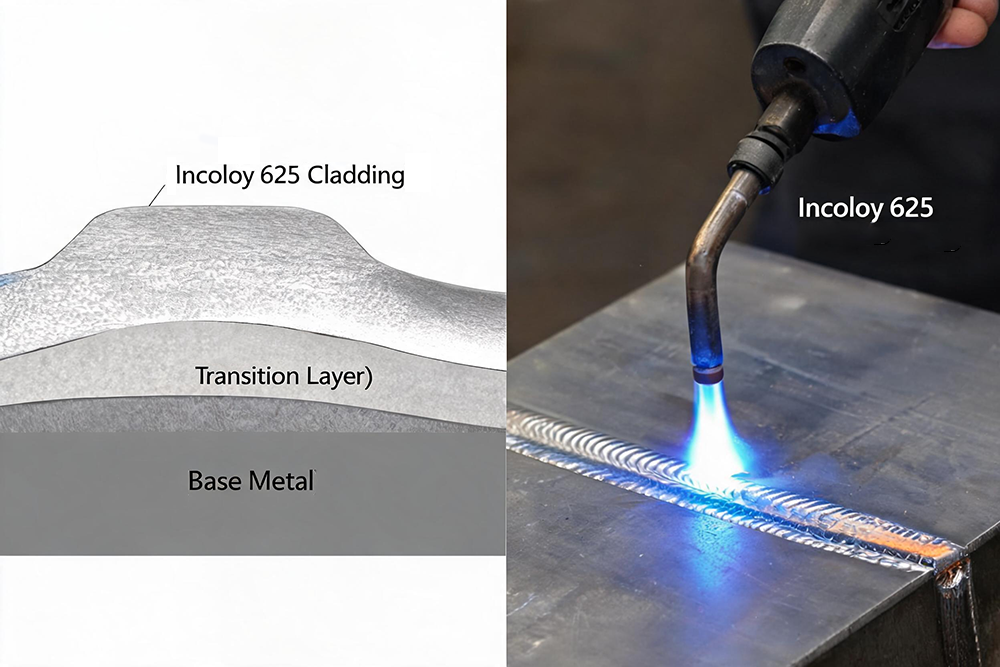
2.Acidic Service (NACE), Hydrocarbon-Acidic Service, Sulfur-Containing Service (NACE), and Hydrocarbon-Acidic Service: These media contain highly corrosive components such as hydrogen sulfide and acidic hydrocarbons, which can easily cause stress corrosion cracking in valves. The core of the solution lies in material upgrades and anti-corrosion treatment. The valve body should be made of sulfur-resistant carbon steel or duplex stainless steel, with the valve interior and the ball surface of the ball valve overlaid with an Incoloy 625 alloy layer. Incoloy 625 possesses excellent resistance to pitting, crevice corrosion, and stress corrosion cracking, enabling long-term corrosion resistance in highly acidic, sulfur-containing environments and extending the valve’s service life.
3.Flare CGas, High-Pressure Flares, and Low-Pressure Flares: The media in flare systems are predominantly flammable and explosive tail gases, with a wide range of pressure fluctuations (high pressure can reach tens of MPa, while low pressure approaches atmospheric pressure). High-pressure flare valves must provide high-pressure sealing performance; they employ a forged steel body with a metal hard-seal structure to meet impact resistance and sealing requirements under high pressure. Low-pressure flare valves, on the other hand, focus on addressing sealing challenges at low pressures; they utilize elastic seal seats to ensure leak-free operation under slight positive or negative pressure, while also being equipped with quick-opening and closing devices to meet the flare system’s emergency venting requirements.
4.Closed Drainage: The medium in closed drainage systems contains oil, impurities, and small amounts of corrosive components, so valves must possess wear-resistant, anti-clogging, and corrosion-resistant properties. A large-bore valve body design is adopted to reduce the risk of clogging by impurities; wear-resistant alloy materials are used for the sealing surfaces, and the valve body surface is treated with an anti-corrosion coating. Additionally, a drain port is provided to facilitate periodic cleaning of impurities.
5.Low-Pressure Fuel Gas: Low-pressure fuel gas is flammable and explosive, and operates at relatively low pressures. Valves must prioritize reliable sealing to prevent gas leaks that could lead to safety incidents. Soft-seated ball valves or butterfly valves are selected, with sealing materials made of oil-resistant and aging-resistant rubber or PTFE. The valve body incorporates an electrostatic grounding design to eliminate static electricity hazards.
(2) High-Risk, Life-Threatening Media Applications
Life-threatening services, gas injection and venting ports: The media in these applications are typically highly toxic, flammable, and explosive fluids; any leakage would result in catastrophic consequences. Valves must employ fully redundant sealing designs, such as dual-seat seals and emergency seal injection systems, to ensure that medium leakage can be prevented even under extreme conditions. The valve body is constructed from high-strength, corrosion-resistant alloy materials, with all sealing surfaces overlaid with Incoloy 625 alloy. Additionally, an online leak detection system is installed to monitor the valve’s sealing status in real time, enabling early fault warning and rapid response.

III. Key Technical Highlights
(1) Incoloy 625 Overlay Welding Technology
For highly corrosive environments involving acids, sulfur, and other aggressive media, an advanced plasma cladding process is used to apply an Incoloy 625 alloy layer to the valve interior and the surface of the ball valve. The cladding layer has uniform thickness (≥2 mm) and high bond strength, free of defects such as porosity or cracks. It maintains stable corrosion resistance within a temperature range of -40°C to 650°C, effectively protecting the valve’s core components from corrosion and erosion by the medium.
(2) Customized Sealing Structures
Sealing structures are customized based on operating pressure and medium characteristics: high-pressure applications use a combination of metal hard seals and labyrinth seals; low-pressure applications employ elastic soft seals with auxiliary sealing structures; and applications involving highly hazardous or lethal media utilize dual seats with an emergency seal injection system, ensuring reliable sealing under all operating conditions.
(3) Intelligent Monitoring and Operations & Maintenance
Smart sensors are installed on valves in critical operating conditions to monitor parameters such as pressure, temperature, seal leakage, and open/closed status in real time. Remote monitoring and data analysis are achieved through an industrial internet platform. Combined with predictive maintenance algorithms, this system anticipates valve failure risks in advance, enables the scheduling of preventive maintenance, and reduces unplanned downtime.
IV. Implementation and Support
(1) Customized Production Process
1.Requirement Analysis: We conduct an in-depth assessment of the user’s operating conditions (including medium composition, temperature, pressure, flow rate, etc.), installation environment, and O&M requirements to compile a detailed requirements report.
2.Solution Design: A team of senior engineers uses the requirements report to design the valve structure, select materials, and plan manufacturing processes. Detailed design drawings and technical proposals are prepared and submitted for user approval before production begins.
3.Manufacturing: Production is strictly organized in accordance with international standards such as API and NACE. Key processes (e.g., Incoloy 625 surfacing and sealing surface machining) utilize automated equipment to ensure consistent product quality.
4.Inspection and Testing: Before shipment, each valve undergoes multiple tests, including pressure testing, seal testing, low-temperature testing (if required), and corrosion testing (under simulated operating conditions), to ensure performance meets design specifications.
(2) After-Sales Service Guarantee
1.Installation Guidance: We provide professional on-site installation guidance to ensure correct valve installation and commissioning.
2.Operation and Maintenance Training: We offer training to the customer’s O&M personnel on valve operation, maintenance, and troubleshooting to enhance their independent O&M capabilities.
3.Warranty and Repair: We provide an 18-month product warranty, covering free repairs for defects caused by quality issues during the warranty period; We have established a rapid-response repair mechanism: solutions are provided within 24 hours of receiving a repair request, and on-site technical support is arranged within 48 hours.
V. Benefits of the Solution
1.Safety Benefits: Through customized corrosion-resistant and sealing designs, we effectively reduce the risk of valve leakage, preventing safety incidents such as fires, explosions, and poisoning caused by media leakage, thereby ensuring the safety of production personnel and equipment.
2.Economic Benefits: Anti-corrosion technologies such as Incoloy 625 surfacing significantly extend valve service life and reduce replacement frequency; intelligent monitoring and predictive maintenance minimize unplanned downtime, enhance production continuity, and save users equipment procurement and operational costs.
3.Environmental Benefits: Reliable sealing performance prevents media leakage, reduces environmental pollution from harmful gases and liquids, and helps enterprises achieve their green production goals.


